What to Expect During the Collision Repair Process
Collision repair is no longer just a matter of straightening metal and matching paint. Modern vehicles can include advanced materials, cameras, radar sensors, electronic modules, driver-assistance systems, and manufacturer-specific repair requirements. That means a thorough repair may involve damage analysis, disassembly, repair planning, insurance communication, parts research, structural and body work, refinishing, diagnostic scanning, calibration, reassembly, and final quality checks.
The Short Version
Every collision repair is different, but the process usually moves through the same major phases: document the damage, build the repair plan, identify hidden damage, obtain the needed approvals and parts, complete structural and cosmetic repairs, refinish the vehicle, reassemble it, perform required diagnostic or calibration procedures, inspect the finished work, and return the vehicle to the customer.
The exact order can vary. Not every vehicle needs every step, and some steps may repeat if new information is discovered during the repair.
Collision Repair Process: Step by Step
The steps below show how a modern collision repair typically progresses. The process may be shorter for minor damage or more involved when there is structural damage, complex electronics, parts delays, or manufacturer-specific repair requirements.
Vehicle Check-In and Initial Damage Assessment
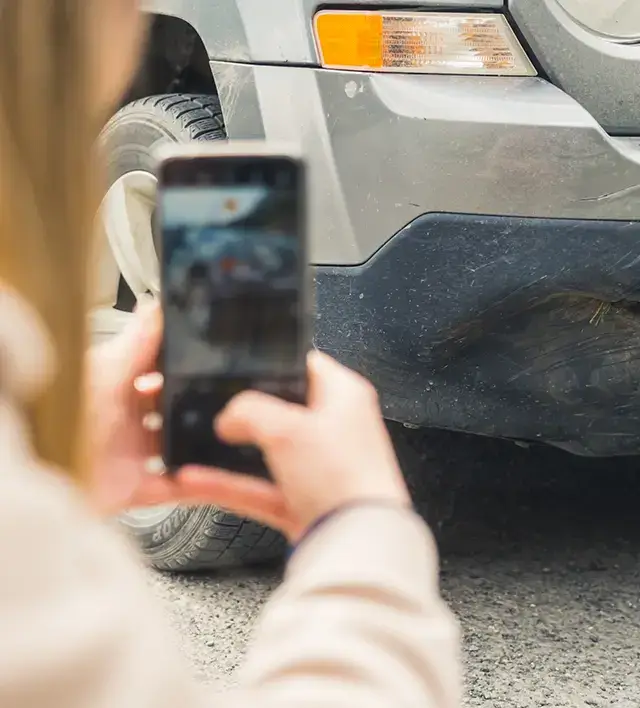
The process begins by documenting the vehicle and the visible collision damage. Photos, customer concerns, accident information, insurance details, warning lights, and the vehicle's condition can all help establish a starting point.
Depending on the vehicle and type of collision, diagnostic scanning, measurements, or additional inspection may also be appropriate during the initial damage-analysis phase.
Initial Estimate
An estimate documents the damage that can be identified at that stage and outlines the labor, parts, materials, and operations expected to be needed. For some collisions, the first estimate cannot show the full repair picture because damaged areas are still covered by bumpers, trim, lamps, panels, or other components.
An estimate is an important starting point, but it is not always the final repair cost.
Disassembly and Blueprinting
When needed, damaged components are removed in an organized way so technicians can inspect what is behind them. I-CAR describes blueprinting as a repair-planning process intended to discover damage before repairs progress and to identify needed parts, repair information, and related operations.
This is often where damage that was not visible during the first walk-around becomes clear.
OEM Procedure Research and Repair Planning
The shop determines how the damaged areas should be repaired for that specific year, make, model, construction, and equipment. Repair planning can require researching vehicle-maker information for structural procedures, material types, welding or attachment methods, corrosion protection, diagnostics, initialization, and calibration requirements.
The goal is to build a repair plan around the vehicle and the damage rather than assuming that every vehicle is repaired the same way.
Supplement and Insurance Review, When Needed
If disassembly or repair planning reveals additional collision-related damage, parts, labor, or procedures that were not included on the original estimate, the repair facility may prepare a supplement. When insurance is involved, the additional documentation is typically sent to the insurer for review.
This is one reason a repair timeline can change after the vehicle has been taken apart. Additional work may need to be documented, reviewed, and approved before that portion of the repair proceeds.
Parts Verification and Ordering
The repair plan identifies the parts and related materials needed to complete the work. Availability can affect scheduling, especially when a repair requires a specific component, one-time-use fastener, molding, sensor-related part, glass component, or other item that must arrive before the vehicle can move to the next stage.
Structural and Body Repairs
Once the repair plan, parts, and required approvals are in place, technicians can complete the physical repair. Depending on the damage, this may involve structural measuring and repair, panel replacement or repair, bumper work, dent repair, metal work, welding or other manufacturer-specified attachment methods.
Paint Preparation and Refinishing
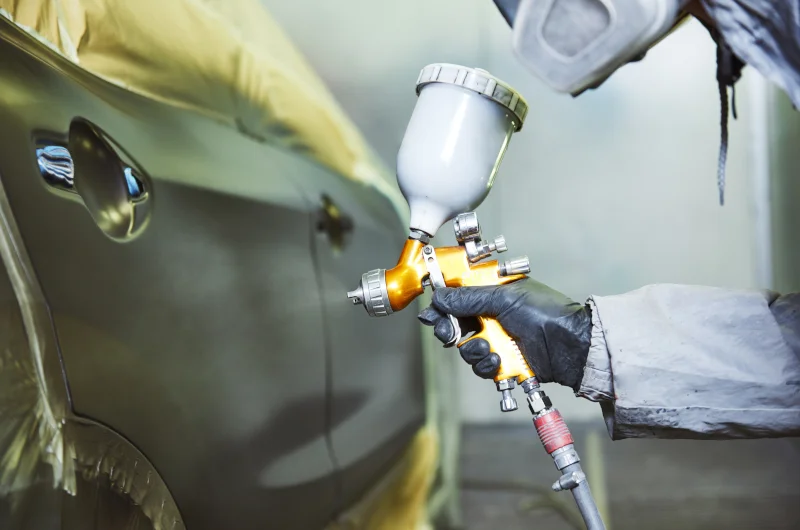
Repaired or replaced panels are prepared for refinishing. The process may include surface preparation, primer, color matching, blending when appropriate, basecoat, clearcoat, curing, and finishing. The goal is to restore both corrosion protection and appearance while following the procedures that apply to the repair.
Reassembly and Glass or Related Component Installation
Trim, lamps, bumpers, moldings, glass, sensors, interior pieces, and other removed components are reinstalled or replaced as the vehicle comes back together. The shop also verifies fit, gaps, operation, and appearance as reassembly progresses.
Diagnostic Scanning, Calibration and System Checks
Modern collision repairs can involve electronic systems that need diagnostic checks or calibration. I-CAR distinguishes a post-repair scan from calibration: a scan checks diagnostic trouble codes, while calibration or initialization is a separate procedure that may be required after certain parts are removed, installed, repaired, or disturbed.
Not every vehicle needs the same procedures. The vehicle manufacturer's repair information should determine what scanning, aiming, initialization, or calibration is required for the specific repair.
Final Quality Control and Delivery
Before delivery, the completed repair is checked for appearance, fit, function, and any remaining repair requirements. Depending on the work performed, final steps can also include a post-repair diagnostic scan, calibration confirmation, alignment verification, test drive, final cleaning, and review of the repair documentation.
When the vehicle is ready, the customer can review the completed repairs, final paperwork, and warranty information before taking the vehicle home.
Estimate, Blueprint, Repair Plan and Supplement: What Is the Difference?
These terms often get used during the same repair, but they describe different parts of the process.
Initial Estimate
An early assessment of the damage and expected repair operations based on the information available at that time. Some hidden damage may not yet be visible.
Blueprint / Repair Plan
A more complete damage-analysis and planning process. It can involve disassembly, measuring, diagnostic information, parts identification, and research into the vehicle manufacturer's repair procedures.
Supplement
An update to the original estimate when additional collision-related damage, parts, labor, or required procedures are identified after the first estimate.
Final Repair Documentation
The completed record of the repair after approved changes, additional operations, parts, and final procedures have been accounted for.
Modern Collision Repair Requires More Information Up Front
- I-CAR repair-planning guidance emphasizes researching more than the individual part-replacement procedure. ADAS, diagnostics, calibration, material construction, welding specifications, corrosion protection, and post-repair inspections may also have to be considered.
- I-CAR blueprinting guidance describes disassembly and damage discovery as a way to identify the full repair picture, needed parts, and repair information before the repair advances.
- CARSTAR consumer guidance notes that an estimate can change when additional damage is discovered during disassembly and that a supplement may then be submitted to the insurer.
A More Complete Estimate Can Take More Work
I-CAR notes that damage discovery and blueprinting can require disassembly, parts research, OEM procedures, measurements, and diagnostic information. Taking time to identify the repair requirements early can reduce the chance of discovering avoidable surprises late in the repair.
Why Scanning and ADAS Calibration May Be Part of Collision Repair
Many newer vehicles use cameras, radar, ultrasonic sensors, electronic control modules, and advanced driver-assistance systems. These systems can be located in or near bumpers, grilles, windshields, mirrors, body panels, suspension components, and other areas that may be affected by a collision or by the repair itself.
I-CAR explains that a pre-repair scan can help identify diagnostic trouble codes during damage analysis, while a post-repair scan is a quality-control step used to identify and address codes present after the repair. Calibration is different: it is a vehicle-specific procedure that can be required after certain components are removed, installed, repaired, replaced, or their mounting locations are disturbed.
A Dashboard With No Warning Light Does Not Tell the Whole Story
I-CAR notes that some vehicle-system faults do not trigger a dashboard warning light. That is one reason repair facilities must research the manufacturer's scanning and calibration requirements instead of relying only on what the driver can see from the instrument panel.
Requirements vary by manufacturer and model. For example, American Honda publishes specific post-collision scanning and calibration requirements for Honda and Acura vehicles. That is one reason manufacturer certification and access to current OEM repair information can matter on modern collision repairs.
Learn more about Honda and Acura Certified Collision Repair and Toyota Certified Collision Repair.
One Collision Can Involve Several Different Repair Disciplines
A vehicle that appears to need "body work" may actually require several coordinated operations. Depending on the damage, the repair could involve structural correction, panel replacement, bumper repair, glass work, paint matching, refinishing, diagnostics, alignment, and calibration.
That is why the repair plan matters. It connects the individual operations into one complete process instead of treating each damaged part in isolation.
What Can Affect the Collision Repair Timeline?
There is no single repair time that applies to every accident. A minor cosmetic repair and a collision involving structural damage, multiple replacement parts, electronics, and calibration are very different jobs.
Hidden Damage
Damage discovered after disassembly can add repair operations, parts, documentation, or insurer review.
Repair Complexity
Structural work, advanced materials, electronics, and manufacturer-specific procedures can add steps that are not part of a simple cosmetic repair.
Parts Availability
A repair may have to wait for required parts, clips, moldings, glass, sensors, or other components to arrive.
Insurance Review
When a supplement is needed, additional repair documentation may have to be reviewed before some work can continue.
Calibration
Required scanning, aiming, initialization, wheel alignment, or ADAS calibration can add procedures near the end of the repair.
Quality Control
If a final inspection identifies something that needs correction or additional verification, it should be addressed before delivery.
A repair completion date is therefore an estimate, not a guarantee. Good communication is important because the shop should be able to explain what stage the vehicle is in and whether parts, approvals, or additional procedures have affected the schedule.
Before You Drop Off Your Vehicle
A few things can make the process easier before repairs begin:
- Remove personal belongings and valuables from the vehicle.
- Make sure the repair facility has your best phone number and email address.
- Provide the claim number and insurance contact information if a claim has already been opened.
- Tell the shop about warning lights, drivability issues, unusual noises, or other concerns noticed after the accident.
- Ask how repair updates will be provided and who to contact with questions.
- Confirm rental-vehicle arrangements and coverage with the appropriate provider or insurer.
- If you have not selected a shop yet, review your repair-facility options before authorizing work.
If you are still working through the immediate aftermath of a collision, use our printable accident checklist or review what to do after an accident.
Collision Repair Process FAQ
Why can the final repair cost be different from the first estimate?
An initial estimate may be based partly on visible damage. Once damaged components are removed, additional collision damage can become visible. The repair facility may then document the additional work and submit a supplemental estimate for review when insurance is involved.
What is a collision repair supplement?
A supplement is an update to the repair estimate when additional damage, parts, labor, procedures, or other necessary operations are identified after the original estimate was written.
Why does the shop need to take parts off before repairing the vehicle?
Disassembly can expose damage hidden behind bumpers, trim, lamps, panels, and other components. It can also help the shop identify required parts, measurements, manufacturer procedures, and other repair operations before the work progresses.
Will every vehicle need ADAS calibration after an accident?
No. Calibration requirements depend on the vehicle, its equipment, the damage, the parts removed or replaced, and the manufacturer's procedures. The repair information for the specific vehicle should determine whether scanning, aiming, initialization, or calibration is required.
Why can collision repair take longer than originally expected?
Repair time can change because of hidden damage, supplemental approvals, parts availability, manufacturer repair procedures, structural or mechanical work, scanning and calibration requirements, and issues identified during final quality control.
What happens before I get my vehicle back?
Final steps can include reassembly, diagnostic checks, required calibrations, alignment or test driving when applicable, cosmetic and functional inspection, cleaning, and a review of the completed repair before delivery.
Industry Sources Used for This Guide
This resource was built around collision-industry and manufacturer guidance so it explains the repair process in more depth than a generic body-shop article.
I-CAR: Repair Planning
I-CAR explains that repair planning can require research into ADAS, diagnostics, calibration, construction materials, welding specifications, corrosion protection, and post-repair inspections in addition to the individual repair procedure.
Read I-CAR repair-planning guidanceI-CAR: Scanning and Calibration
I-CAR distinguishes pre-repair scanning, post-repair scanning, and calibration/initialization and stresses that OEM information determines when those procedures are required.
Read I-CAR diagnostic definitionsAmerican Honda: Post-Collision Diagnostics
American Honda publishes manufacturer-specific requirements for diagnostic scanning, inspections, and calibrations following collisions involving Honda and Acura vehicles.
Read the Honda/Acura position statementCARSTAR: Estimates, Supplements and Repair Timing
CARSTAR's consumer guidance explains that estimates initially reflect the damage that can be identified, while additional damage discovered during disassembly can require a supplement and can affect the repair timeline.
Read CARSTAR collision-repair guidanceResearch reviewed August 7, 2026. Collision repair procedures vary by vehicle, damage, equipment, repair method, insurer involvement, and manufacturer requirements. The shop should research the procedures that apply to the specific vehicle being repaired.
Need Collision Repair in Weatherford?
CARSTAR Roger Williams Collision Center can inspect your vehicle, explain the repair process, help with repair documentation and insurance communication, and build a repair plan based on the damage and the vehicle's requirements.
Request an Online Estimate Book an Appointment